
- Notable events from around the globe to insightful stories via https://ghnews1.com/category/trending today
- The Impact of Global Economic Trends
- The Role of Supply Chains
- The Rise of Artificial Intelligence and its Ethical Implications
- Addressing Algorithmic Bias
- The Ongoing Climate Crisis and Sustainable Solutions
- Innovations in Renewable Energy
- Geopolitical Tensions and Global Security
- The Evolving Landscape of Social Media and its Influence
- Future Trends in Space Exploration and Commercialization
Notable events from around the globe to insightful stories via https://ghnews1.com/category/trending today
In today’s rapidly evolving world, staying informed about current events is more crucial than ever. From geopolitical shifts to groundbreaking scientific discoveries and compelling human-interest stories, the news landscape is constantly changing. A reliable source for accessing these diverse narratives is essential for individuals seeking a comprehensive understanding of the world around them. Fortunately, platforms like https://ghnews1.com/category/trending/ offer a curated selection of notable events and insightful stories, providing a valuable resource for staying up-to-date on the most important happenings.
The importance of staying informed extends beyond simply knowing what's happening; it empowers individuals to participate meaningfully in civic discourse, make informed decisions, and foster a greater sense of global citizenship. News isn't just about reporting facts; it’s about providing context, analyzing implications, and presenting multiple perspectives. This is especially true in an era of misinformation and polarized viewpoints. Access to trustworthy and diverse news sources, such as the trending section on ghnews1.com, is the first step toward navigating the complexities of the modern world and forming your own well-considered opinions.
The Impact of Global Economic Trends
Global economic trends are constantly reshaping the world as we know it. Factors like inflation, interest rates, supply chain disruptions, and geopolitical instability all contribute to a complex web of interconnected forces that influence everything from individual purchasing power to national economic growth. Currently, many nations are grappling with the effects of rising inflation, leading to increased costs for goods and services. This, in turn, prompts central banks to consider raising interest rates, which can help curb inflation but also potentially slow down economic activity. The delicate balance between controlling inflation and maintaining economic growth is a central challenge for policymakers worldwide.
The Role of Supply Chains
The COVID-19 pandemic exposed the fragility of global supply chains, leading to widespread shortages and delays. Businesses have since been working to diversify their supply sources and build greater resilience into their operations. However, geopolitical events, such as the war in Ukraine, have further exacerbated supply chain challenges, particularly in sectors like energy and food. Diversification efforts include bringing production closer to home (reshoring) or sourcing from more politically stable regions. Investing in technology to improve supply chain visibility and transparency is also crucial for mitigating future disruptions. These shifts are likely to have lasting effects on global trade patterns and manufacturing strategies.
| Economic Indicator | Current Trend (as of late 2023) |
|---|---|
| Global Inflation | Moderating, but remains above target levels in many countries |
| Interest Rates | Generally rising, but pace of increases is slowing |
| Supply Chain Pressures | Easing in some sectors, but remain elevated in others |
| Global GDP Growth | Slowing, with increased risk of recession in major economies |
Understanding these economic trends requires a nuanced approach, taking into account regional variations and the interplay of various factors. Staying informed about these developments is vital for businesses, investors, and individuals alike.
The Rise of Artificial Intelligence and its Ethical Implications
Artificial intelligence (AI) is rapidly transforming numerous aspects of our lives, from healthcare and finance to transportation and entertainment. The advancements in machine learning, deep learning, and natural language processing have led to the development of AI systems capable of performing tasks that previously required human intelligence. While AI offers enormous potential benefits, it also raises significant ethical concerns that need to be addressed proactively. One of the primary concerns is algorithmic bias, where AI systems perpetuate and amplify existing societal biases. This can lead to unfair or discriminatory outcomes in areas such as loan applications, hiring processes, and even criminal justice.
Addressing Algorithmic Bias
Mitigating algorithmic bias requires a multi-faceted approach, including careful data collection and preprocessing, the development of fair algorithms, and ongoing monitoring and evaluation of AI systems. Transparency is also crucial, allowing users to understand how AI systems arrive at their decisions. Furthermore, there is a growing debate about the need for regulation to ensure that AI is developed and deployed responsibly. As the capabilities of AI continue to advance, it will become increasingly important to establish clear ethical guidelines and legal frameworks to govern its use. The goal is to harness the power of AI for good while minimizing its potential risks.
- AI is automating tasks across industries, leading to increased efficiency.
- Machine learning algorithms are improving predictive accuracy in various fields.
- Ethical considerations surrounding AI, such as bias and privacy, are gaining prominence.
- The development of AI raises questions about job displacement and the future of work.
The ongoing discussion surrounding the ethical implications of AI is vital for ensuring that its development and deployment benefit society as a whole.
The Ongoing Climate Crisis and Sustainable Solutions
The climate crisis represents one of the most pressing challenges facing humanity. Rising global temperatures, extreme weather events, and sea-level rise are already having devastating impacts around the world. The scientific consensus is overwhelming: human activities, particularly the burning of fossil fuels, are the primary driver of climate change. Addressing this crisis requires a fundamental shift away from fossil fuels towards renewable energy sources, such as solar, wind, and hydro power. This transition will require significant investments in renewable energy infrastructure, as well as policy changes that incentivize sustainable practices. Furthermore, improving energy efficiency and reducing greenhouse gas emissions from other sectors, such as agriculture and transportation, are also crucial steps.
Innovations in Renewable Energy
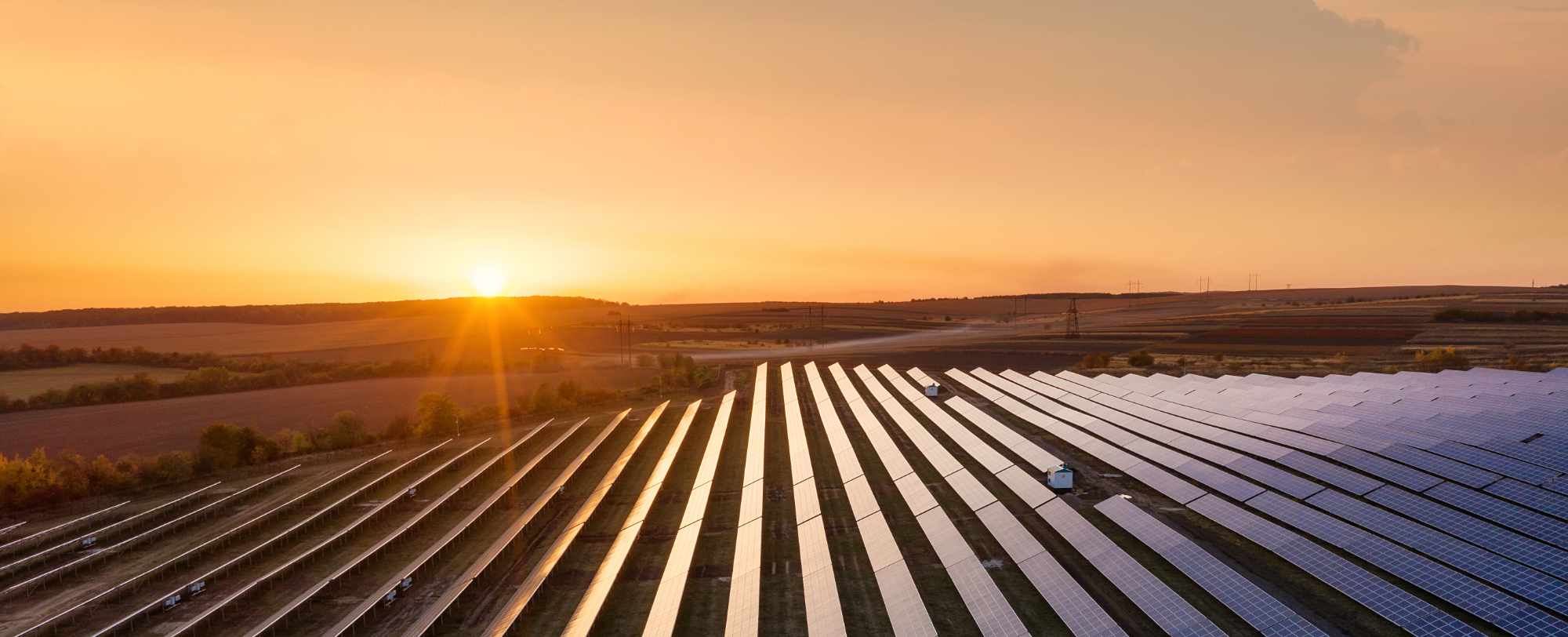
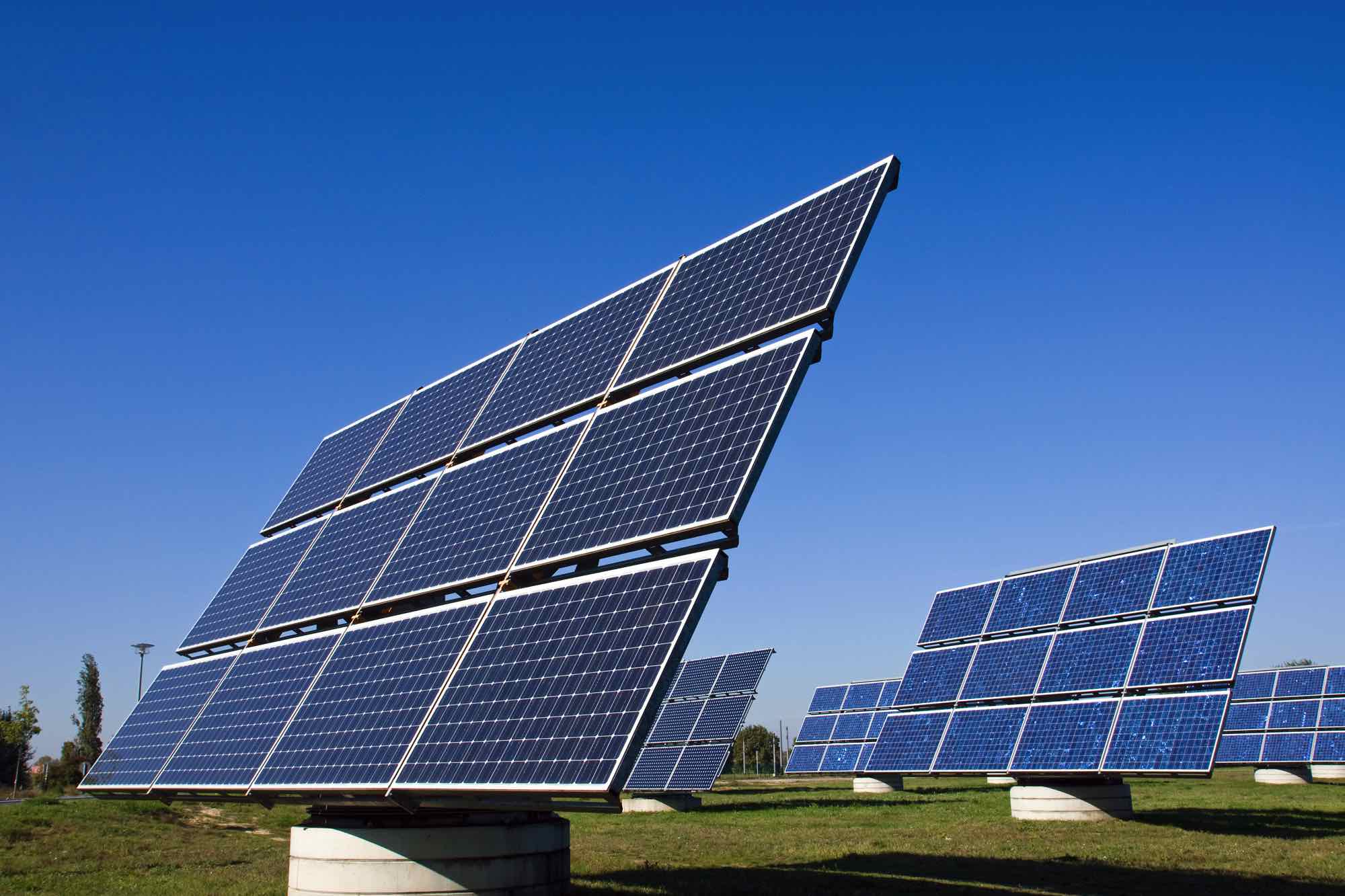
Numerous innovations are emerging in the field of renewable energy, offering promising solutions for mitigating climate change. For example, advancements in solar panel technology are making solar energy more affordable and efficient. Similarly, new wind turbine designs are increasing energy capture and reducing costs. Energy storage technologies, such as batteries and pumped hydro storage, are becoming increasingly important for integrating intermittent renewable energy sources into the grid. Beyond technological innovations, behavioral changes, such as reducing consumption and adopting more sustainable lifestyles, are also essential for addressing the climate crisis. Individual actions, when combined with systemic changes, can make a significant difference.
- Reduce your carbon footprint by using public transportation, cycling, or walking.
- Conserve energy by turning off lights and appliances when not in use.
- Support businesses that prioritize sustainability.
- Advocate for policies that promote renewable energy and reduce emissions.
Addressing the climate crisis is a collective responsibility that requires urgent action from governments, businesses, and individuals alike.
Geopolitical Tensions and Global Security
The current geopolitical landscape is characterized by increasing tensions and uncertainty. Several regions around the world are experiencing conflict or instability, posing significant threats to global security. The war in Ukraine, for example, has had far-reaching consequences, disrupting global energy markets, exacerbating food insecurity, and creating a humanitarian crisis. Other areas of concern include the ongoing conflicts in the Middle East, the rising tensions in the South China Sea, and the increasing risk of cyberattacks. These challenges require a coordinated international response, based on diplomacy, cooperation, and respect for international law.
The proliferation of nuclear weapons remains a major threat to global security. Efforts to prevent nuclear proliferation and promote disarmament are more important than ever. Furthermore, the rise of non-state actors, such as terrorist groups, poses a growing challenge to national and international security. Counterterrorism efforts require a multifaceted approach, including intelligence gathering, law enforcement cooperation, and addressing the root causes of extremism.
The Evolving Landscape of Social Media and its Influence
Social media has become an integral part of modern life, transforming the way we communicate, consume information, and interact with the world around us. Platforms like Facebook, Twitter, Instagram, and TikTok have billions of users worldwide, making them powerful tools for social and political influence. However, the rise of social media also presents several challenges, including the spread of misinformation, online harassment, and concerns about privacy. The proliferation of "fake news" and disinformation campaigns can undermine trust in traditional media and institutions, and even influence electoral outcomes.
The addictive nature of social media is also a growing concern, particularly among young people. Spending excessive time on social media can lead to mental health problems, such as anxiety, depression, and body image issues. Furthermore, the algorithms used by social media platforms can create "filter bubbles," where users are only exposed to information that confirms their existing beliefs, reinforcing polarization and hindering constructive dialogue.
Future Trends in Space Exploration and Commercialization
Space exploration is entering a new era, driven by advancements in technology and increasing private sector involvement. Companies like SpaceX and Blue Origin are revolutionizing access to space, lowering costs and accelerating the pace of innovation. The goal of returning humans to the Moon is gaining momentum, with NASA’s Artemis program aiming to establish a sustainable lunar presence. Beyond the Moon, Mars remains a long-term target for human exploration, with ambitious plans for future missions. The commercialization of space is also opening up new opportunities, including space tourism, satellite-based services, and the potential for resource extraction from asteroids.
However, the increasing activity in space also raises concerns about space debris and the need for international cooperation to ensure the sustainable use of space. Establishing clear regulations and guidelines for space activities is crucial to prevent collisions, protect orbital environments, and promote responsible space exploration. The convergence of technology, investment, and ambition promises a future where space is more accessible and integrated into our daily lives.